
advantage of tempered glass
The Essence of Quality Exploring the Spirit Level In today's fast-paced and highly competitive world, the pursuit of quality has become a paramount objective for businesses and individuals alike. Whether in the manufacturing sector, service industries, or personal endeavors, the concept of quality is often measured against specific standards of excellence. A critical tool in this quest is the spirit level, an instrument that not only reflects physical alignment but also symbolizes the broader quest for quality in various dimensions of life. Understanding the Spirit Level A spirit level, traditionally used in construction and carpentry, consists of a sealed tube containing a liquid and a bubble. When the level is placed on a surface, the position of the bubble indicates whether that surface is perfectly horizontal (level) or vertical (plumb). This tool serves as a metaphor for balancing quality across diverse fields. Just as a spirit level ensures that structures are built correctly, the principles of quality assurance help ensure that businesses and services are delivered consistently and to high standards. The Importance of Quality Quality is often defined as the degree to which a set of inherent characteristics fulfills requirements. This definition underscores its subjective nature; what is considered quality in one context may not hold the same value in another. Similarly, the spirit level provides a universal standard for alignment. In the same vein, the drive for quality can lead to enhanced customer satisfaction, increased efficiency, and sustainable growth. As organizations strive for excellence, they often implement quality management systems and methodologies such as Total Quality Management (TQM) or Six Sigma. These strategies emphasize continuous improvement, data-driven decision-making, and a customer-first approach. The integration of quality into the operational fabric of an organization reflects a spirit of commitment, akin to the precision required when using a spirit level. Quality in Personal Life quality spirit level Beyond the realm of business, the pursuit of quality extends to our personal lives. Just as a spirit level ensures that our projects are built on a solid foundation, personal quality can be achieved through self-reflection, setting clear goals, and striving for balance in various aspects of life—physical, emotional, and spiritual. The act of measuring one's personal quality requires a similar commitment to alignment and balance. In relationships, for instance, quality time spent with loved ones can yield deeper connections and meaningful interactions. Just as a spirit level helps in constructing a stable building, fostering quality relationships creates a supportive framework for growth and happiness. A conscious effort to invest in our relationships can lead to lasting fulfillment. Quality and Innovation Furthermore, the spirit level analogy highlights the importance of innovation in achieving quality. In an ever-evolving marketplace, innovation can be likened to adjusting the levels on a spirit level as new standards are set and expectations evolve. Companies that foster a culture of innovation often find themselves better equipped to meet customer demands and enhance their offerings. Organizations that prioritize quality and innovation do not merely survive; they thrive. They set themselves apart from competitors by consistently delivering superior products and services, adapting to changing environments, and anticipating consumer needs. Such agility and foresight represent the pinnacle of quality management. Conclusion In conclusion, the spirit level serves as an effective metaphor for the pursuit of quality in various dimensions of life. Whether in business or personal endeavors, striving for quality requires a commitment to aligning our actions and values with the highest standards. By recognizing the importance of quality and adopting principles that foster continuous improvement, we can build a foundation for lasting success and fulfillment. As we navigate the complexities of modern life, let us remember to maintain our levels—ensuring that our paths remain true and our pursuits aligned with excellence.
about
advantage of tempered glass
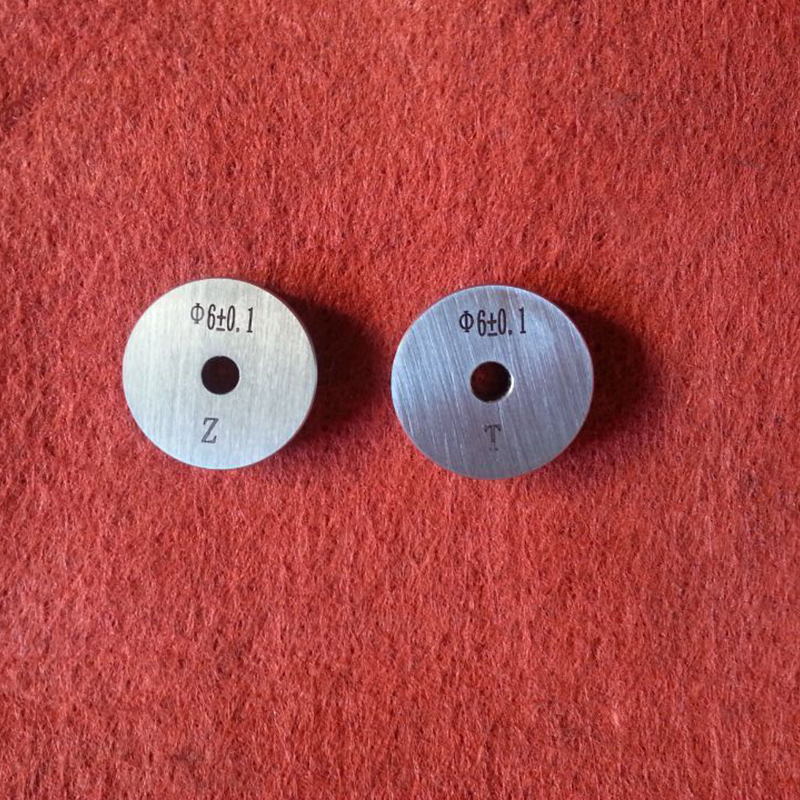
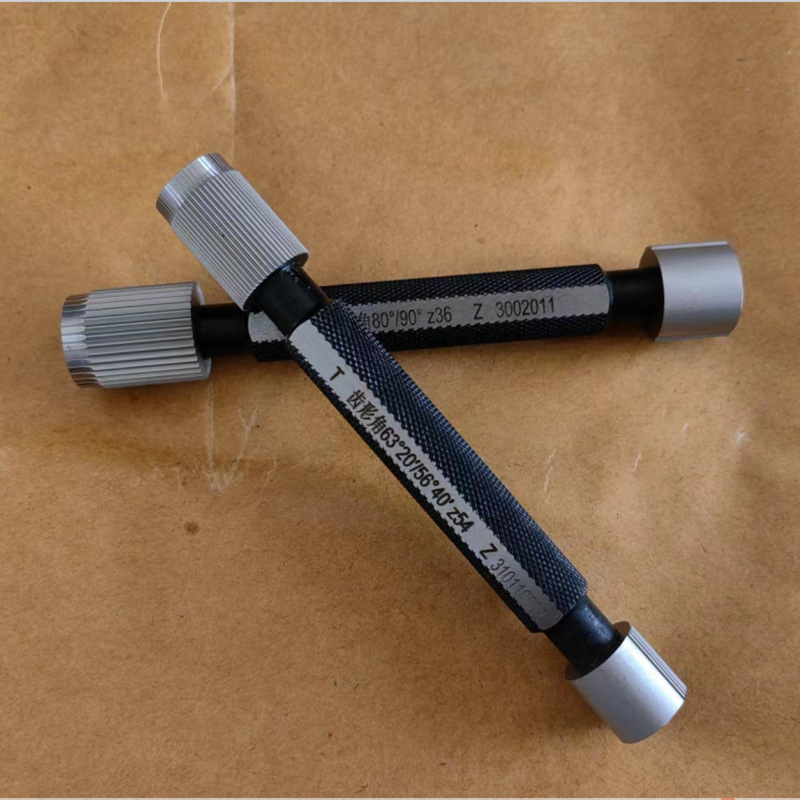
Understanding the Go/No-Go Gauge An Essential Tool in Quality Control In manufacturing and engineering, precision is paramount. One of the critical tools used to ensure that parts and components meet specified dimensions and tolerances is the Go/No-Go gauge. This simple yet effective tool plays a significant role in quality control, helping to prevent defective products from reaching the market. In this article, we will delve into the concept, applications, and advantages of Go/No-Go gauges in various industries. What is a Go/No-Go Gauge? A Go/No-Go gauge is a type of measuring tool used to determine whether a workpiece is within specified limits. It typically consists of two components the Go side, which checks whether a part is acceptable, and the No-Go side, which verifies that the part does not exceed a defined limit. If a part passes the Go gauge, it is considered acceptable; if it fails the No-Go gauge, it is deemed unacceptable. This binary system simplifies the inspection process, allowing operators to make quick decisions about production quality. Types of Go/No-Go Gauges Go/No-Go gauges can be categorized into various types based on their design and application 1. Plug Gauges These gauges are cylindrical and are used mainly for measuring the diameter of holes and shafts. A plug gauge has a Go end that should fit into the hole and a No-Go end that should not. 2. Ring Gauges These are used to measure the external diameter of cylindrical parts. Similar to plug gauges, they consist of a Go end that fits over the part and a No-Go end that does not . 3. Snap Gauges This type of gauge uses a spring mechanism to check external dimensions, such as the width of a part. It is efficient for high-volume inspections. 4. Feeler Gauges While not exclusive to the Go/No-Go application, feeler gauges can be configured to gauge gaps and clearances in various assemblies. Applications Across Industries pin go no go gauge Go/No-Go gauges are employed across various sectors, including automotive, aerospace, and manufacturing. In the automotive industry, they are used for inspecting critical components such as engine parts and chassis fittings. In aerospace, these gauges ensure that all parts meet strict safety and performance standards, critical for the integrity of flight operations. Additionally, they are widely used in the electronics industry, where precise assembly of components is necessary to ensure functionality. By using Go/No-Go gauges, manufacturers can quickly identify parts that are out of specification, reducing the likelihood of failures and enhancing product reliability. Advantages of Go/No-Go Gauges 1. Simplicity and Speed The primary advantage of Go/No-Go gauges is their simplicity. Operators can quickly assess whether a part meets specifications without needing complex measurement devices or extensive training. 2. Cost-Effectiveness These gauges are often less expensive than other precision measuring tools. Their durability and reliability add to their cost-effectiveness over time. 3. Immediate Feedback Go/No-Go gauges provide immediate feedback during the manufacturing process. This timely inspection helps in early detection of issues, allowing for quick rectification and minimizing waste. 4. Improved Consistency Using standardized Go/No-Go gauges ensures that all measurements are consistent across different operators and shifts, improving overall quality assurance. 5. Reduction of Variability By establishing fixed criteria for acceptance and rejection, these gauges help to minimize variability in production, leading to higher quality and fewer defects. Conclusion In conclusion, Go/No-Go gauges are an indispensable tool in the realm of quality control. Their simple design, ease of use, and cost-effectiveness make them a preferred choice in various industries where precision is crucial. By employing these gauges, manufacturers can enhance their production processes, ensuring high-quality products and ultimately improving customer satisfaction. As industries continue to evolve, the role of Go/No-Go gauges is expected to remain vital in maintaining and improving product quality standards.
-

High quality industrial productsagement

High quality industrial products
View Details -

Meet the diverse needs of customers

Meet the diverse needs of customers
View Details -

Strict quality control

Strict quality control
View Details -

Top raw materials

Top raw materials
View Details -

Trusted supplier

Trusted supplier
View Details
Our application
news and information
Y Strainer PN16 Specifications and Applications for Fluid Filtration Systems
Understanding the Y Strainer PN16 An Overview In industrial piping systems, ensuring the efficient f
valve ng liquid transfer check
Liquid Transfer Check Valve Isang Mahalagang Komponent sa Fluid Handling Systems Sa mundo ng industr

Valvola a saracinesca 1500
Valvole a Sfera 1500 Caratteristiche e Applicazioni Le valvole a sfera sono uno dei componenti fonda
 English